Perennial ryegrass
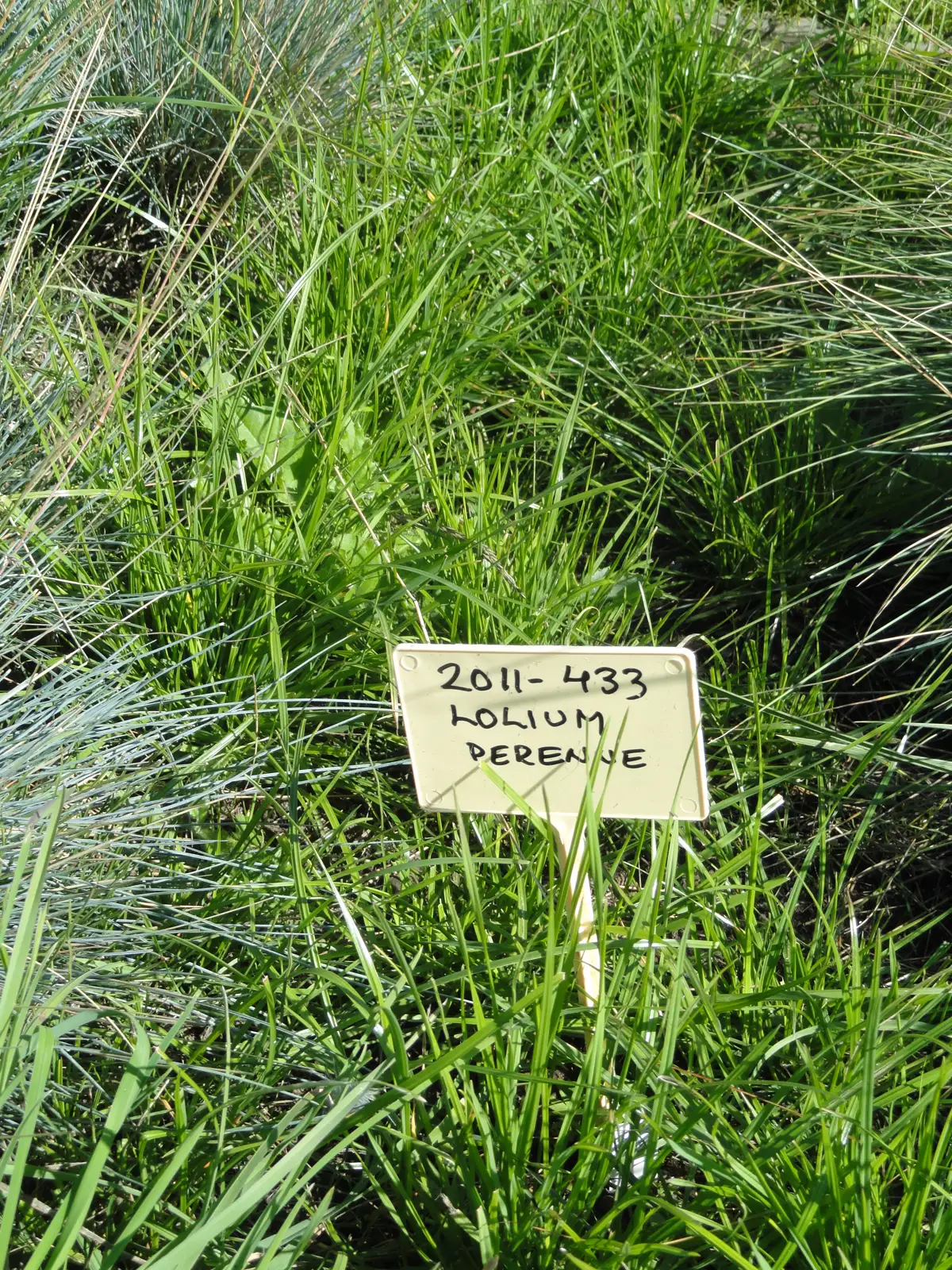
Perennial ryegrass is the workhorse of many family-lawn mixtures. Its seedlings emerge quickly and its broadish leaves make a tough, visible turf that stands up well to regular use.
- What it is: a fast-establishing, hard-wearing bunch grass used widely in general-purpose seed mixtures
- Pros: quick germination, good wear tolerance and useful recovery when combined with other grasses
- Watch-outs: leaf texture is coarser than fine fescues and it can look out of place in a very close-cut ornamental lawn
- Best conditions: sunny or lightly shaded lawns with regular mowing, children, pets or frequent foot traffic
Red fescues
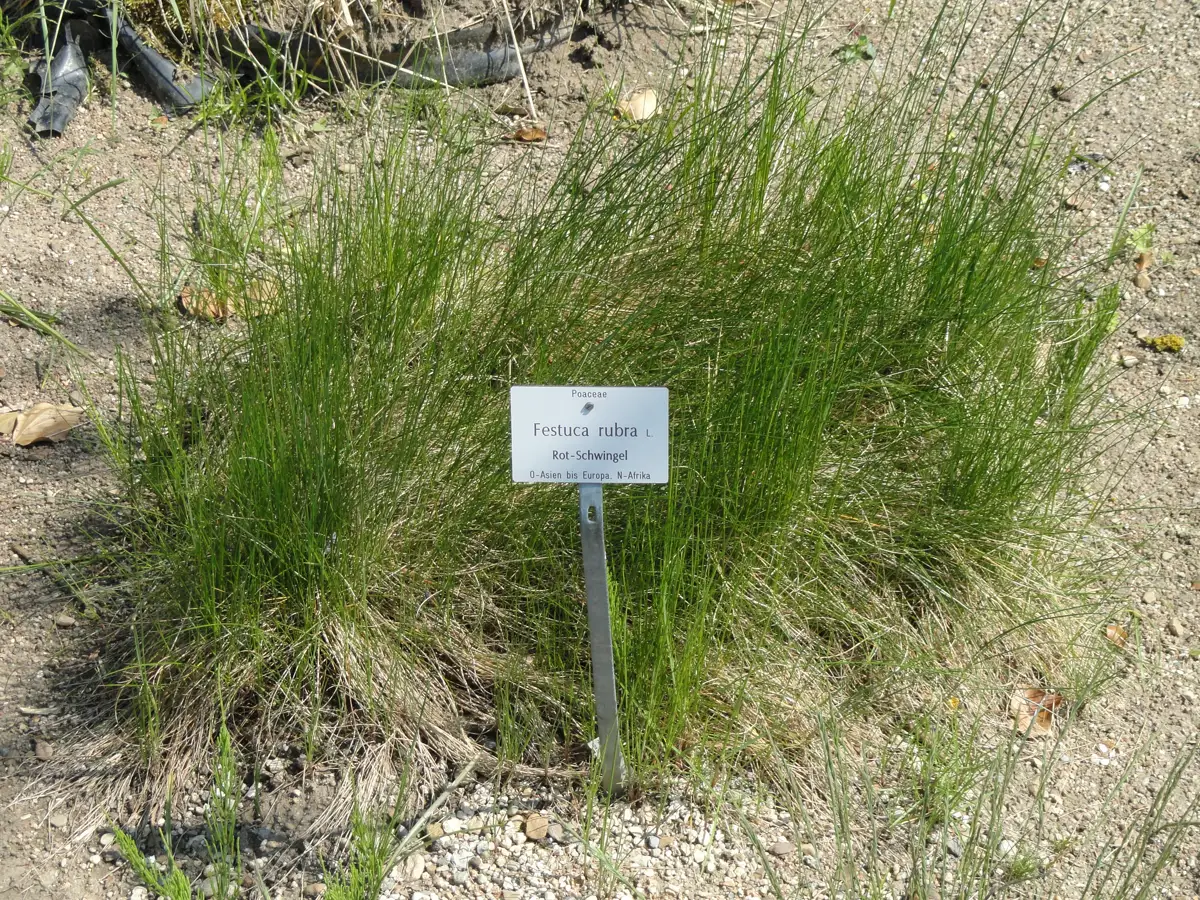
Red fescues are a group of fine-leaved grasses, including creeping red fescue, slender creeping red fescue and Chewings fescue. They give a softer, finer look than ryegrass and are a mainstay of many shade and low-input mixes.
- What it is: a fine fescue group; some types spread slowly while others form neat tufts
- Pros: fine texture, better tolerance of modest fertility and light shade than ryegrass, and a good fit for a more natural-looking lawn
- Watch-outs: less suited to relentless wear and slower to repair bare patches than ryegrass-led turf
- Best conditions: moderately shaded lawns, lower-fertility soil and lawns mown at a sensible, not ultra-short, height
Hard fescue
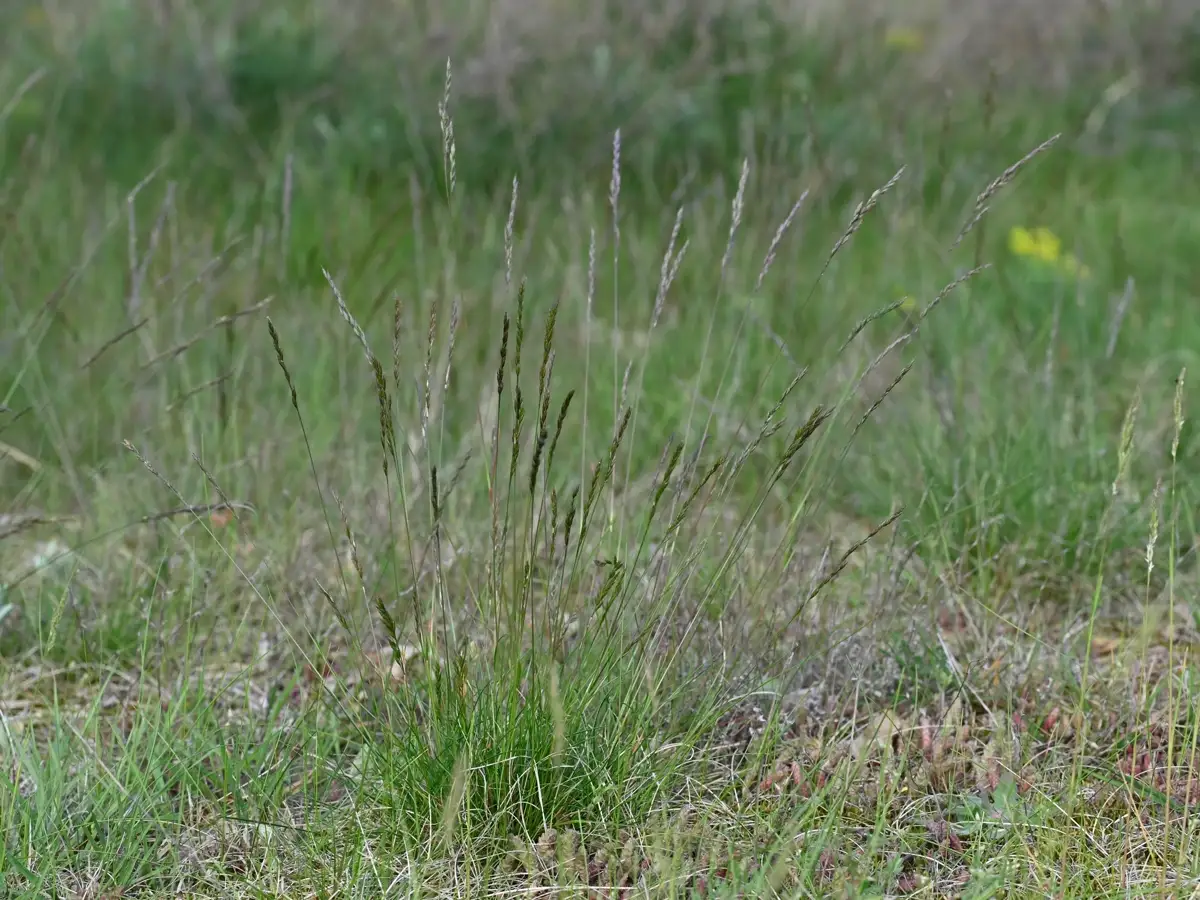
Hard fescue is another fine fescue, valued for a restrained growth habit and good drought tolerance once established. It is often included in mixes intended for dry, free-draining ground or lower-maintenance areas.
- What it is: a tough, fine-leaved bunch grass with a low-input reputation
- Pros: copes well with poorer, drier soil and does not demand frequent feeding or close mowing
- Watch-outs: establishes and repairs more slowly than ryegrass, and it is not the first choice for a heavily used play lawn
- Best conditions: sunny, well-drained and drought-prone sites; keep the cut height a little higher during dry weather
Browntop bent
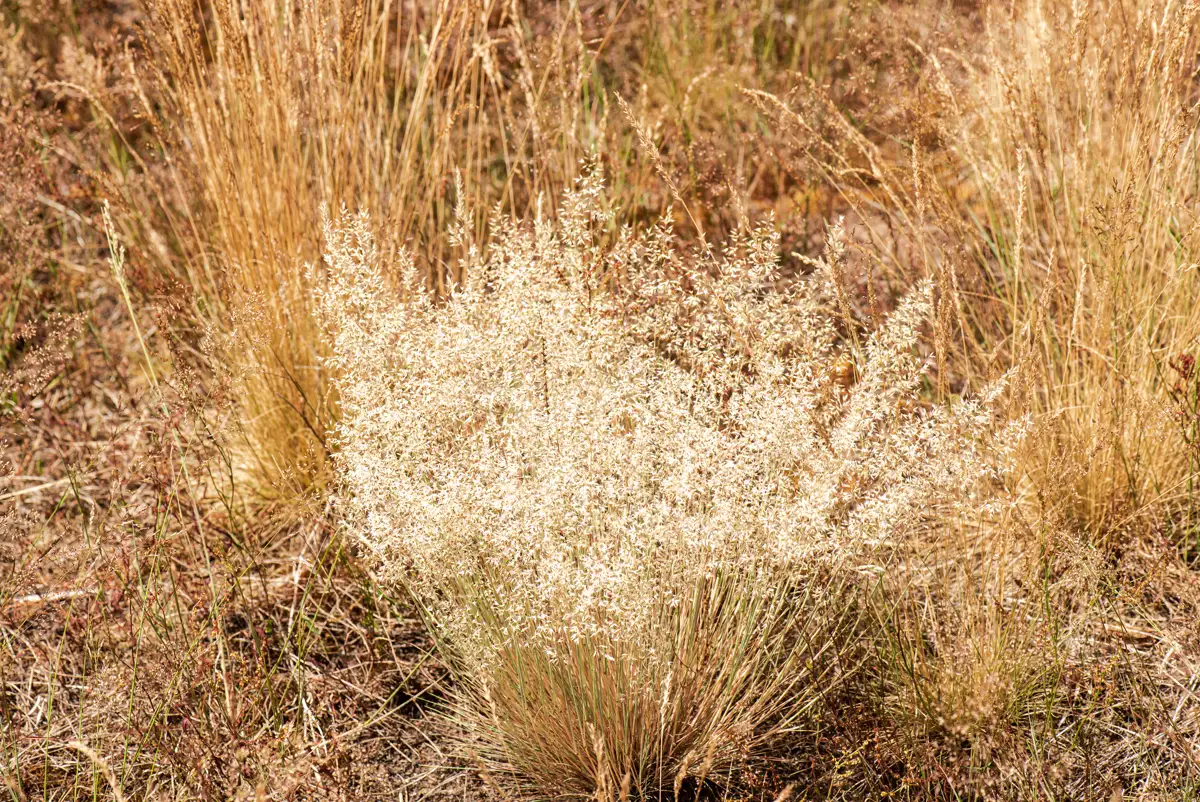
Browntop bent is a fine, dense grass used where a close, refined finish matters. It can knit a surface together well, but its strengths show only when mowing and soil conditions support it.
- What it is: a fine-leaved grass capable of making dense turf at relatively low cutting heights
- Pros: attractive fine texture and density, useful in ornamental mixtures and some lighter shade
- Watch-outs: slower to establish than ryegrass, can need more careful mowing and thatch management, and is not the toughest option under heavy traffic
- Best conditions: reasonably moist, well-managed lawns where a fine finish matters more than rapid repair
Smooth-stalked meadow-grass
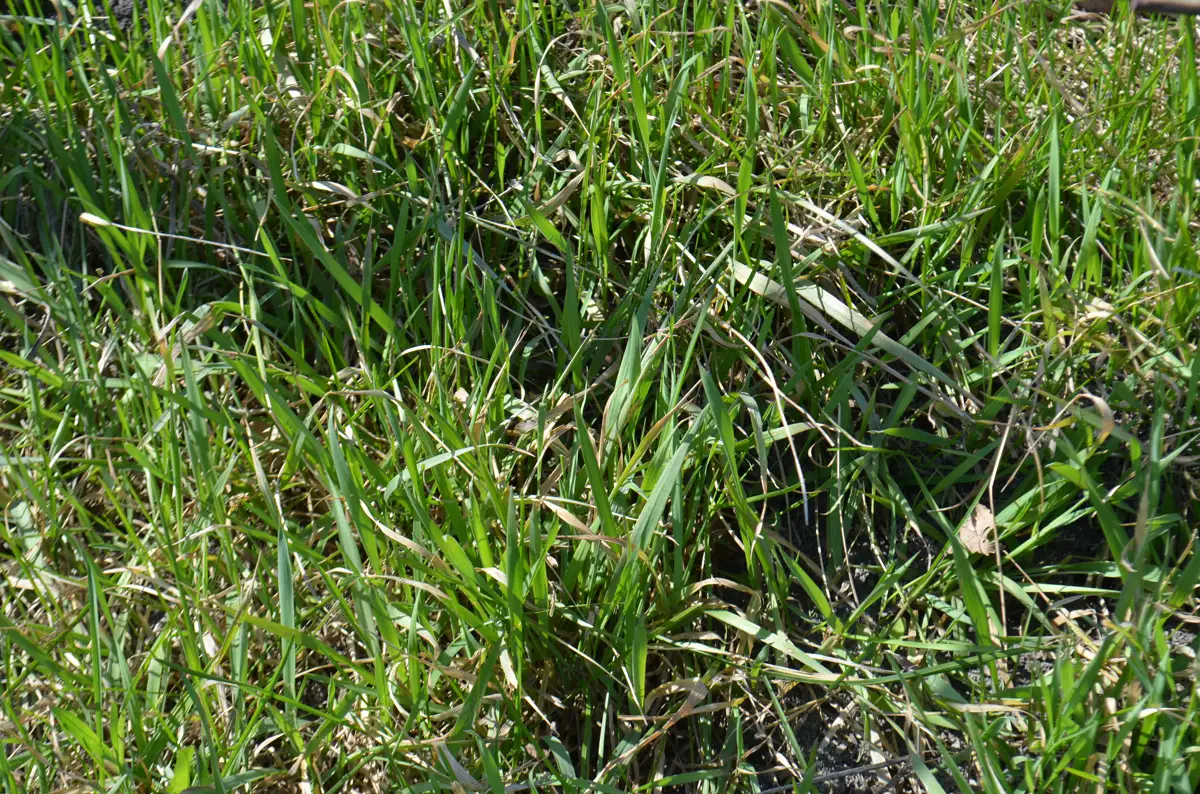
Smooth-stalked meadow-grass, also called Kentucky bluegrass in some seed catalogues, spreads by underground stems. That gives it useful long-term repair potential, but not an instant result after sowing.
- What it is: a spreading grass that forms rhizomes below the surface
- Pros: can make a dense, durable turf and gradually fill small gaps once established
- Watch-outs: germination is slow, so young lawns may look patchy beside faster ryegrass; it is less reliable in deep shade
- Best conditions: open, sunny or lightly shaded lawns with time to establish and a need for lasting wear tolerance
Tall fescue
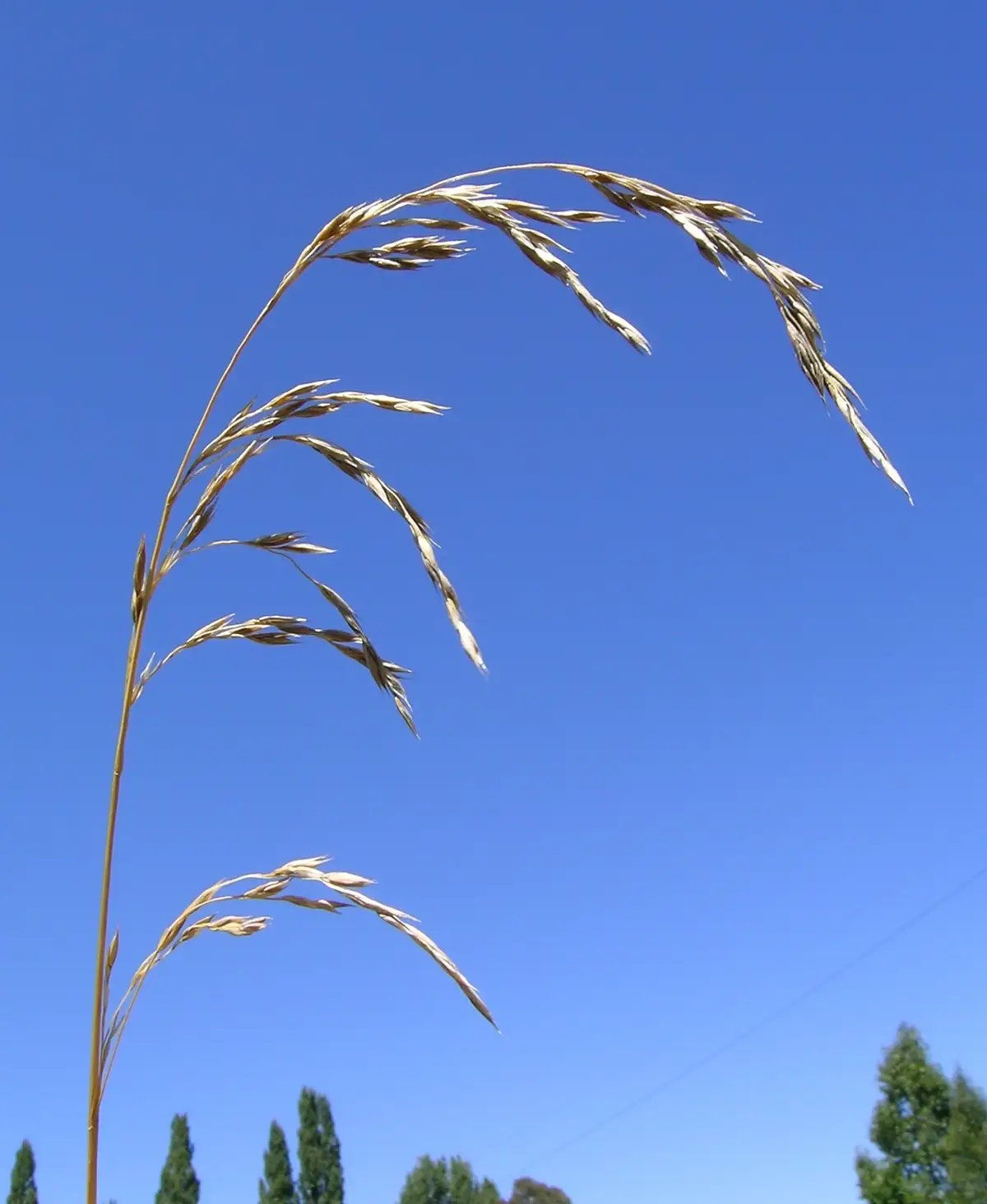
Tall fescue has deeper roots than many standard lawn grasses and is increasingly included in drought-tolerant mixtures. Modern turf cultivars are finer than older coarse types, but the texture can still differ from a classic fine British lawn.
- What it is: a robust, relatively deep-rooting grass used in some hard-wearing and dry-site mixtures
- Pros: useful drought tolerance, sturdy growth and a good option where summer watering is limited
- Watch-outs: can appear coarser and more upright than fine fescue or bent, and may not blend invisibly into an existing ornamental lawn
- Best conditions: sunny, free-draining sites, especially where a slightly higher mowing height and lower summer irrigation are preferred
Choose a mixture, not a marketing label
For a busy family lawn, start with a ryegrass-led mixture and look for some smooth-stalked meadow-grass if you can wait for it to establish. For light shade and a softer look, favour red fescues with a little bent. For a hot, dry, low-input space, hard fescue or tall fescue may earn their place. No mixture will make deep, dry shade or compacted, waterlogged soil behave like an open, well-drained lawn.
- Read the species list and percentages on the bag
- Match the mixture to light, soil and use before choosing by price
- Use the same or a compatible mixture when overseeding
- Keep expectations realistic: grass choice helps, but it cannot solve a drainage, compaction or shade problem by itself